

RealCare Seniors Services is dedicated to enhancing the quality of life for individuals with FSHD and muscular dystrophy. Our specialized care focuses on empowering clients through personalized support and therapy.
Key Services:
- Personalized Exercise and Physical Therapy Tailored routines to maintain muscle strength and flexibility.
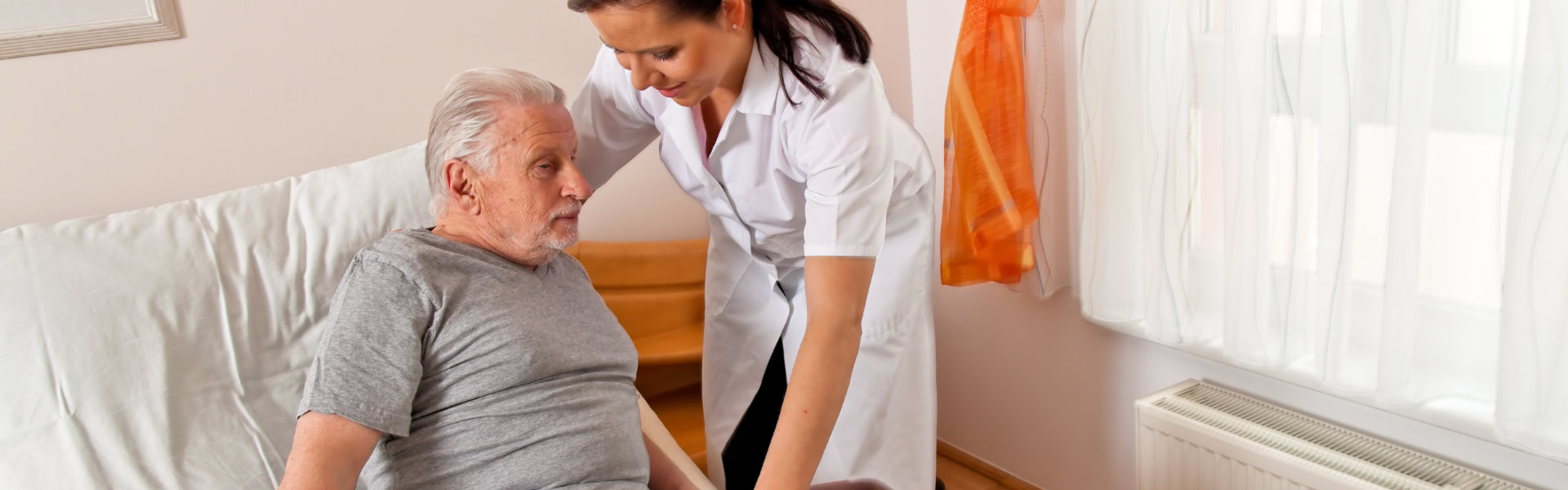
- Daily Living Assistance: Support with personal hygiene, dressing, feeding, and mobility.
- Respiratory Support: Cough assists, ventilator management (BiPAPs and CPAPs), O2 level monitoring, and percussion therapy. Safe Transfers: Use of Proper techniques and assistive devices for safe transfers.
- Nutritional Support: Meal and preparation and dietary guidance tailored to individual needs.
- Medication Management: Organizing and reminding clients to take medications as prescribed.
Specialized FSHD and MD: What Are They All About?
FSHD, or facioscapulohumeral muscular dystrophy, is a genetic condition that gradually weakens muscles, particularly in the face, shoulders, and upper arms. Muscular dystrophy (MD) is a broader term for a group of disorders that progressively weaken muscles throughout the body. Both conditions can make everyday activities—like walking, dressing, eating, or even breathing—more difficult over time.
People living with FSHD or MD often benefit from specialized muscular dystrophy aid in Burlington, Massachusetts. This aid provides a mix of physical support, medical monitoring, and emotional encouragement to maintain independence and quality of life. From tailored exercise programs to help retain muscle strength to respiratory support for those with compromised lung function, the care plan needs to be comprehensive and highly individualized.
Specialized FSHD and MD: What Sets Us Apart?
Our approach at RealCare Senior Services is rooted in understanding each client’s unique needs. We start by assessing the level of mobility, strength, and medical requirements for each individual. Our team then creates a customized care plan that addresses not only physical needs but also emotional and social well-being.
We provide personalized exercise and physical therapy to maintain muscle flexibility and strength, helping clients stay active and engaged. Daily living assistance ensures that tasks like dressing, hygiene, feeding, and mobility are safe and manageable. For clients who require respiratory support, our trained caregivers can assist with cough techniques, ventilator management (BiPAPs and CPAPs), O₂ level monitoring, and percussion therapy.
Safety is a top priority, so we emphasize safe transfers using proper techniques and assistive devices. We also provide nutritional support, helping plan and prepare meals that meet individual dietary needs, and medication management, ensuring that medications are organized and taken as prescribed.
Beyond these services, what truly sets us apart is our commitment to empowering clients. We encourage independence wherever possible, offer compassionate companionship, and provide resources to help families better understand and support their loved ones living with FSHD or MD.
By combining medical expertise with empathetic, personalized care, our goal is to help clients live as fully and comfortably as possible while navigating the challenges of muscular dystrophy.
Frequently Asked Questions (FAQs)
What daily activities are most affected by FSHD and muscular dystrophy?
Muscle weakness in FSHD and MD can affect walking, lifting, dressing, personal hygiene, eating, and even breathing. The severity varies by individual and stage of the disease.
Can exercise help people with muscular dystrophy?
Yes, tailored physical therapy and exercises can help maintain muscle strength, flexibility, and overall mobility. Programs should be customized to the person’s condition and abilities.
How does respiratory support help someone with muscular dystrophy?
Respiratory support, including ventilators, BiPAP/CPAP, and percussion therapy, helps maintain lung function, prevent infections, and make breathing easier for individuals with weakened muscles.
What nutritional considerations are important for FSHD and MD?
Proper nutrition supports energy, muscle health, and overall well-being. Diets may need to accommodate swallowing difficulties, weight management, or specific medical requirements.
What safety measures should be considered at home for someone with muscular dystrophy?
Safe transfers, use of assistive devices, fall prevention strategies, and careful medication management are key components for reducing risk and maintaining independence.
Connect With Us
Seeking reliable home health care assistance? Contact us to discover personalized solutions for your loved one’s needs.